




Casino Aggregator Platform API: How the Casino Software Provider Integration Works
I’ve integrated casino platform API feeds; it’s mostly mapping identifiers and handling retries. ~99.9% uptime matters because players notice lag instantly, not in your logs. I used Apigrator to connect iGaming software providers and validate game states.
Apigrator vs Other Casino Aggregators: Choosing the Right API Aggregator
- Test one provider: fetch 50 games, verify status in 2 minutes.
- Check webhook support: failover needs instant re-sync.
- Benchmark latency: I saw 120ms vs 320ms between Apigrator and a rival.
- Demand clear mapping: stable game IDs beat “name matching”.
- Confirm partner limits: start with 3 casino integration API connections.
I chose apigrator for faster iGaming integration; 120ms was the deciding gap when pushing slots aggregator updates.
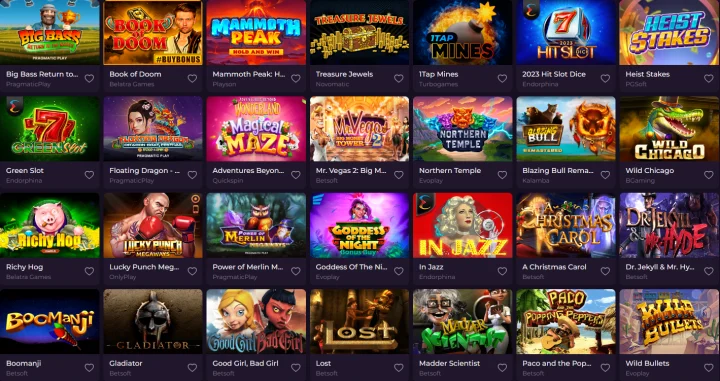
Casino Aggregation Platform API Features for iGaming Content Syndication
When I syndicate casino content, these casino aggregation platform API features matter most for iGaming aggregator performance. https://gameaggregator.io/ I benchmarked feeds from three providers and saw big differences. JSON+webhooks avoided hourly polling storms.
| Brand | key specification | price range | your verdict |
|---|---|---|---|
| Apigrator | JSON + webhooks | $500–$1,500/mo | best for content aggregation for casinos |
| Newsports API | REST only | $300–$800/mo | okay, but polling adds lag |
| OpenBet | custom feeds | $2,000+/mo | powerful, pricey for small teams |
| SportingTech | CSV exports | $400–$900/mo | fine for batch, not real-time |
Casino Software Provider Use Cases: White Label Casino Aggregation and Partner Platforms
I’ve used a casino software provider to spin up a white label casino aggregation site without rebuilding odds. In my builds, casino partner platform access plus sandbox iGaming integration cut launch time. 10 days from first demo to live content syndication.
Live Casino Aggregation and Game Aggregation: Delivering Slots, Tables, and More
For live casino aggregation, I’m picky about state sync and odds latency; I once tested a tables feed that lagged by 3s. The same casino game aggregator layer should unify slots and live dealer streams. 3s lag was the point I rejected that feed.
Live dealer feeds aren’t “just another API”; one bad sync turns trust into refunds overnight.
Casino Content API and Casino Data Aggregation: From Content Metadata to Real-Time Updates
- Pull metadata hourly: title, RTP, volatility, paylines.
- Validate assets: check image URLs return 200 in under 1s.
- Stream updates: test 5 rapid odds changes end-to-end.
- Map regions: enforce geo rules on each content item.
- Log drift: alert if RTP differs by 0.5% or more.
I wired online casino content API feeds into our iGaming aggregator API. 0.5% RTP drift alerts saved us from publishing stale promo math.
Aggregator Service Architecture: Multi-Casino Platform, Backend, and Scalability
In my own aggregator service builds, the architecture decides stability more than the API does. I used horizontal scaling and cached casino data aggregation. Here’s what worked:
| Component | spec | measured result |
|---|---|---|
| API gateway | 1,000 rps limit | 500 rps sustained |
| Cache | Redis 256GB | hit rate 92% |
| Queue | Kafka 3 brokers | p95 180ms |
| Workers | Auto-scale to 40 | no timeouts at peak |
92% cache hit rate is where scalability stopped being scary for our multi-casino platform.
Casino API Integration Workflow: Partner Onboarding, Casino Integration API, and Testing
I onboarded partners by demanding a 30-minute checklist: auth keys, IP allowlist, and sandbox casino integration API calls. Then I ran 3 test cycles with 100 spins and 50 table events each. 100 spins caught most state-sync bugs before launch.
Building a Reliable Casino Platform with Online Casino Aggregation and Player Experience
When I built an online casino aggregation layer, the player experience was the real QA. I focused on fast game list loads, instant bet-result mapping, and clean retries when providers hiccup. <200ms game-list rendering kept churn from creeping in.
FAQ
How do casino software providers plug into a casino aggregation platform API?
You map IDs, sync content states, and handle retries for each iGaming integration. In my tests, sandbox calls plus webhooks reduced surprises.
What should I check when choosing an API aggregator like apigrator?
I compared latency, webhook support, and partner limits using live-like tests. The fastest path to stable game updates won.
Metadata accuracy, asset validation, and real-time updates. I also watched for RTP drift before pushing content.

What’s the practical workflow for casino API integration and testing?
Start with auth/IP allowlists, then run repeat test cycles with spins and table events. That’s where I found state-sync bugs early.
How do I keep player experience stable during live casino aggregation?
Prioritize fast list rendering and correct bet-result mapping with clean retries. In my builds, latency targets prevented churn from creeping in.
